REAX
Synthetic asset protocol on Mantle.

About This Project
REAX is a synthetic asset protocol on Mantle for minting and trading on-chain exposure to crypto, equities, forex, and commodities. We built the core architecture, debt pool model, collateral logic, oracle integrations, zero-slippage synth trading, leverage modules, and frontend trading flows. The system supports 500+ assets, up to 125x leverage, and DIA plus Pyth price feeds.
Client
Timeline
Technologies
Why We Built REAX
Core Protocol Architecture
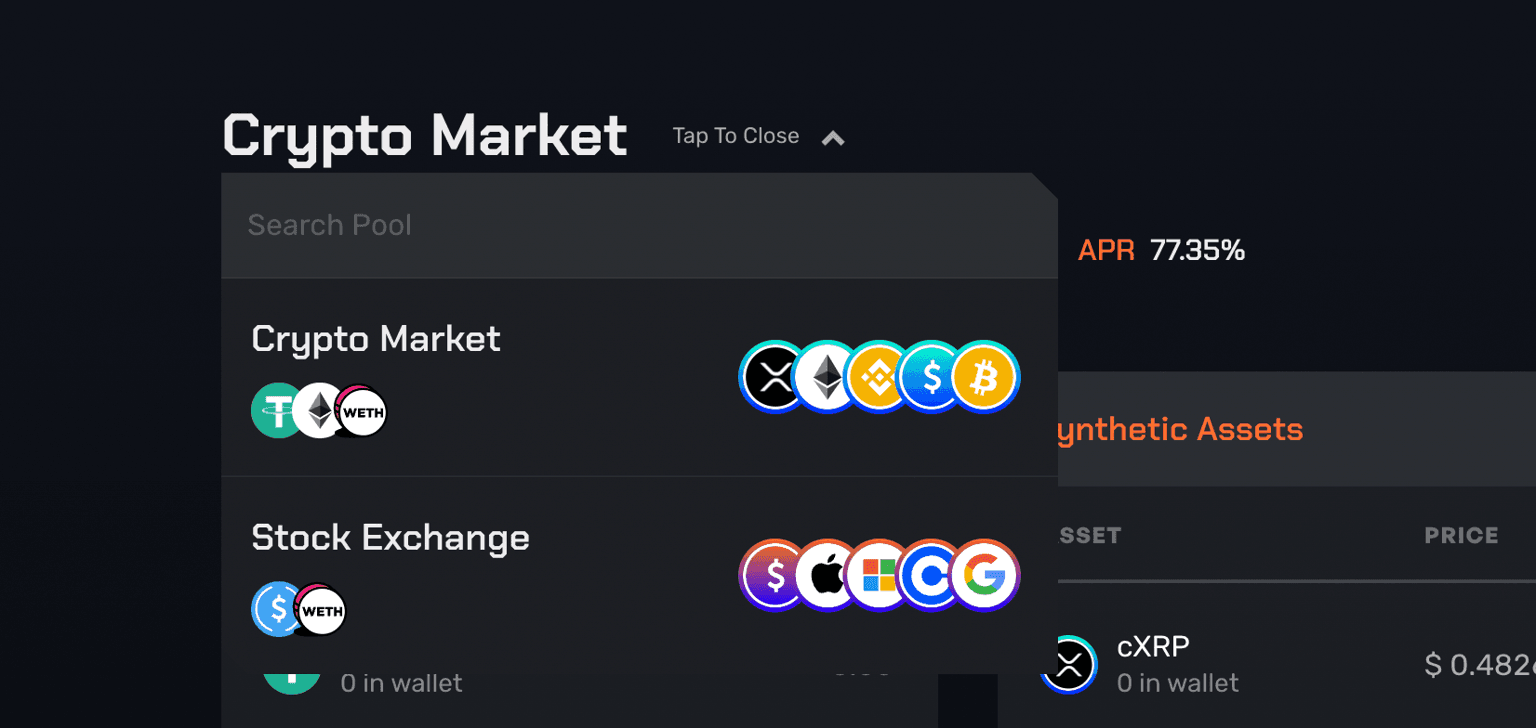
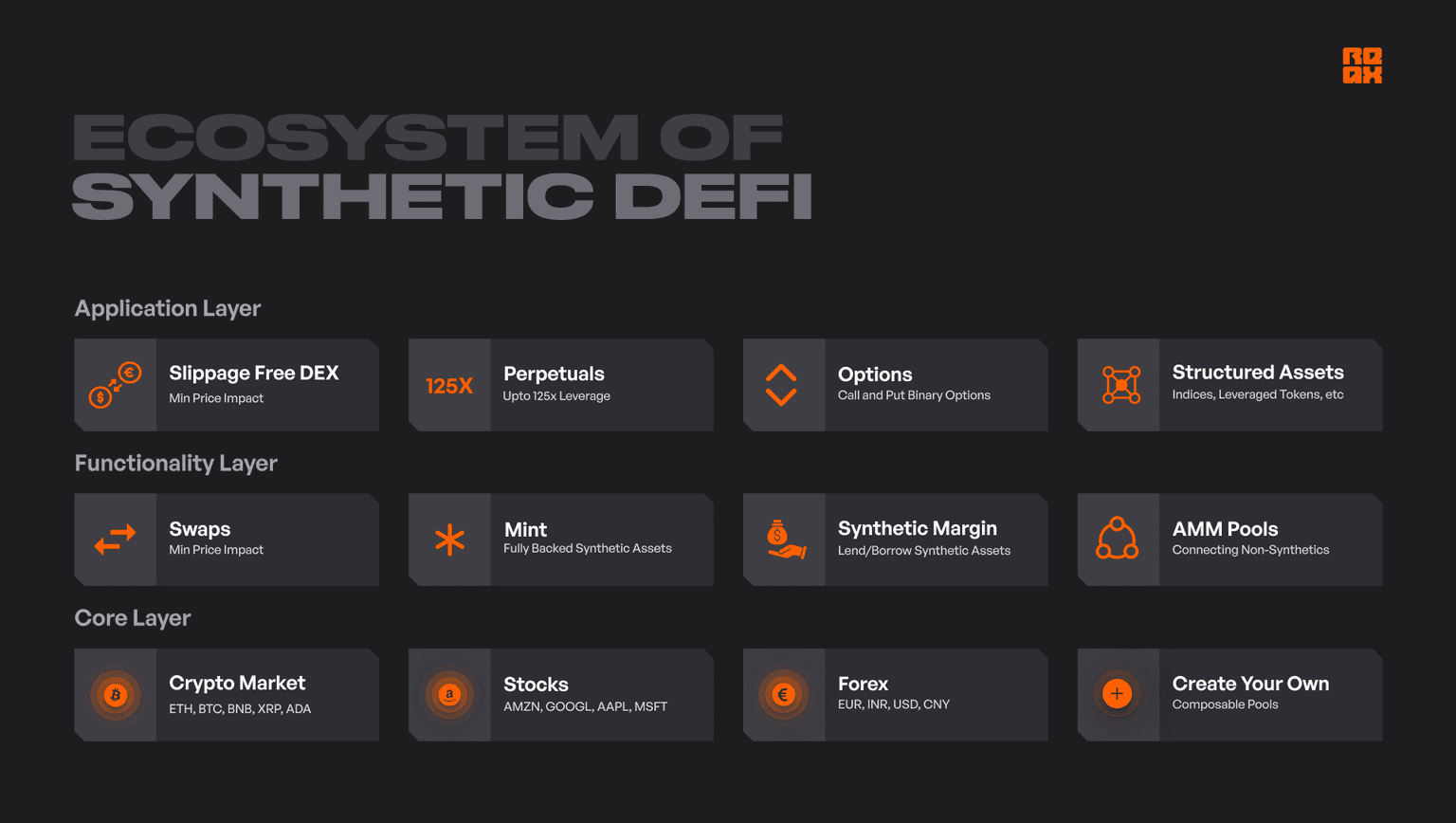
- Isolated Market Design: Markets are split into separate pools for crypto, stocks, and forex, each with its own collateral types and risk parameters.
- Shared Debt Mechanism: Each pool shares total debt proportionally across participants, giving the protocol shared liquidity without creating a separate CDP for every asset.
- Multi-Collateral Support: Each pool accepts different collateral (USDC, ETH, TLOS) with dynamic C-Ratio requirements tuned to the risk profile of that specific market.
- Oracle Integration: We wired up DIA and Pyth as primary oracle sources. Multiple feeds per asset, with aggregation logic to filter out bad data.
Synthetic Asset Creation
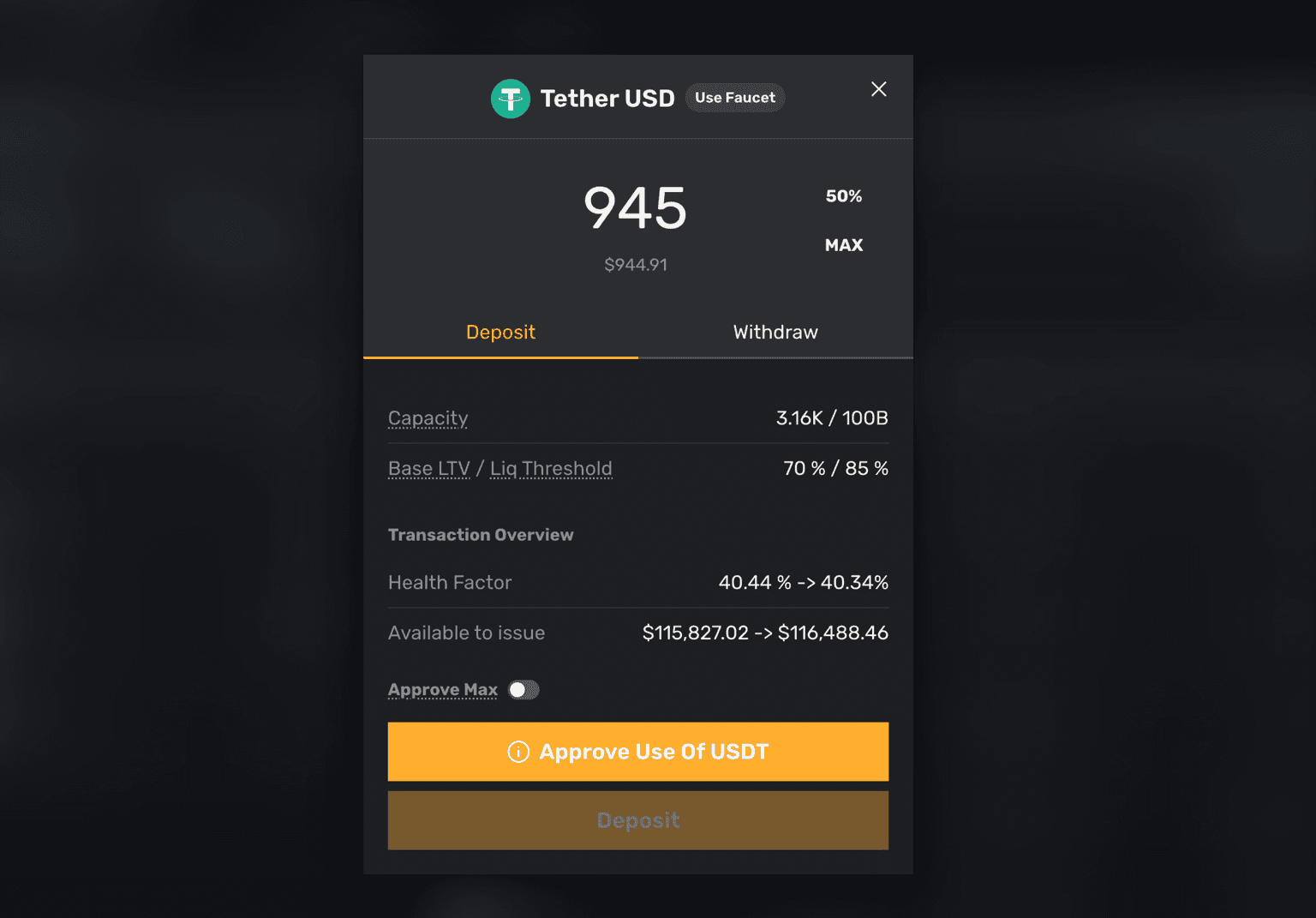
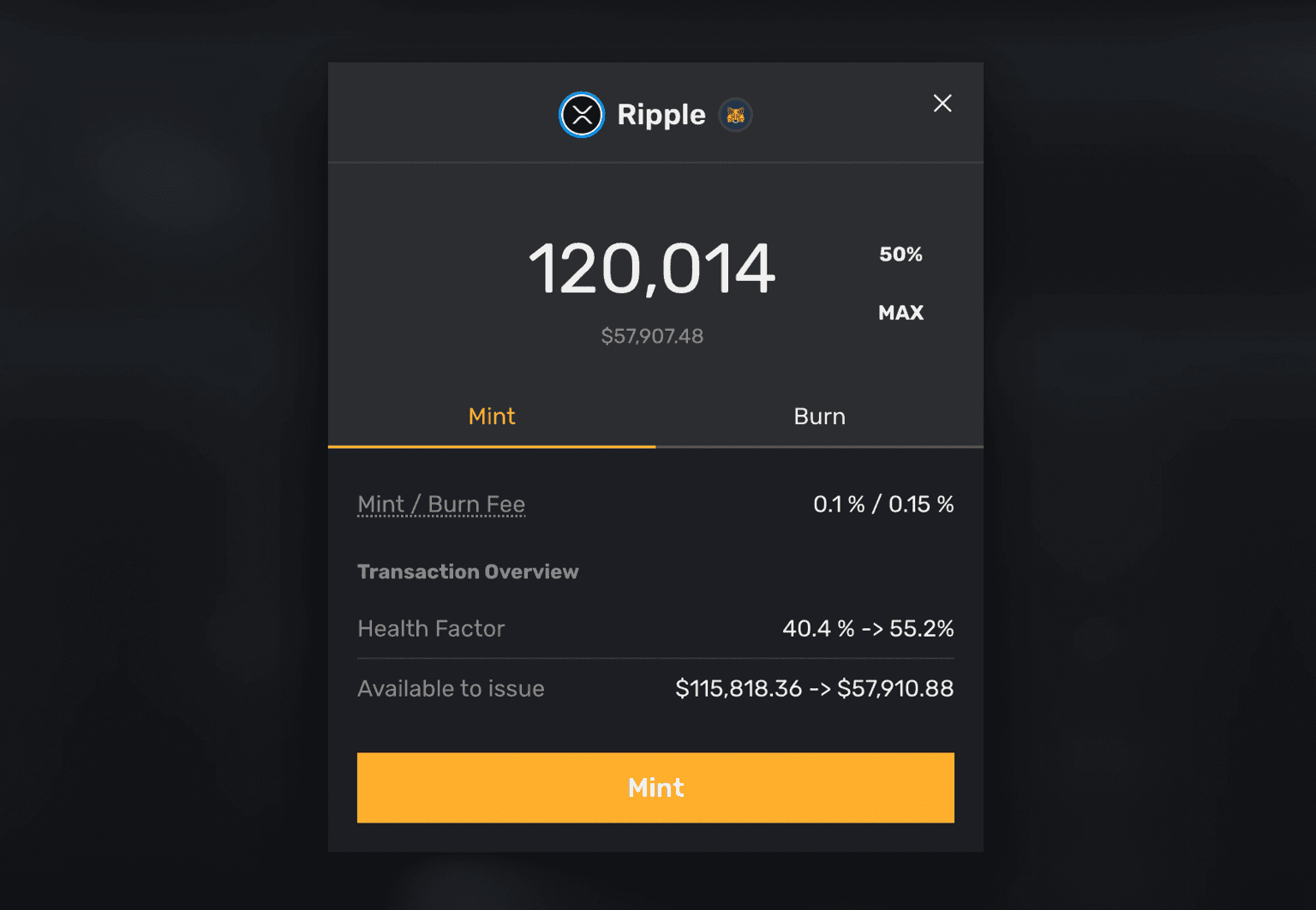
- Collateralized Debt Positions: Users deposit collateral and mint synths against it. Your position has to stay above the required C-Ratio or you get liquidated. Standard CDP mechanics, but tuned per market.
- Dynamic Debt Adjustment: Your debt isn't fixed. It moves based on your share of the pool's total debt. If other positions in the pool gain value, your debt goes up proportionally, and vice versa.
- 500+ Assets: We set up support for hundreds of synthetics: crypto (BTC, ETH, XRP), equities (AAPL, GOOGL, MSFT), currencies (EUR, JPY, GBP), and commodities. All tradable on-chain.
- Adding New Assets: There's a governance process for listing new synths. It checks oracle availability, market demand, and risk parameters before anything goes live.
Zero-Slippage Trading Engine
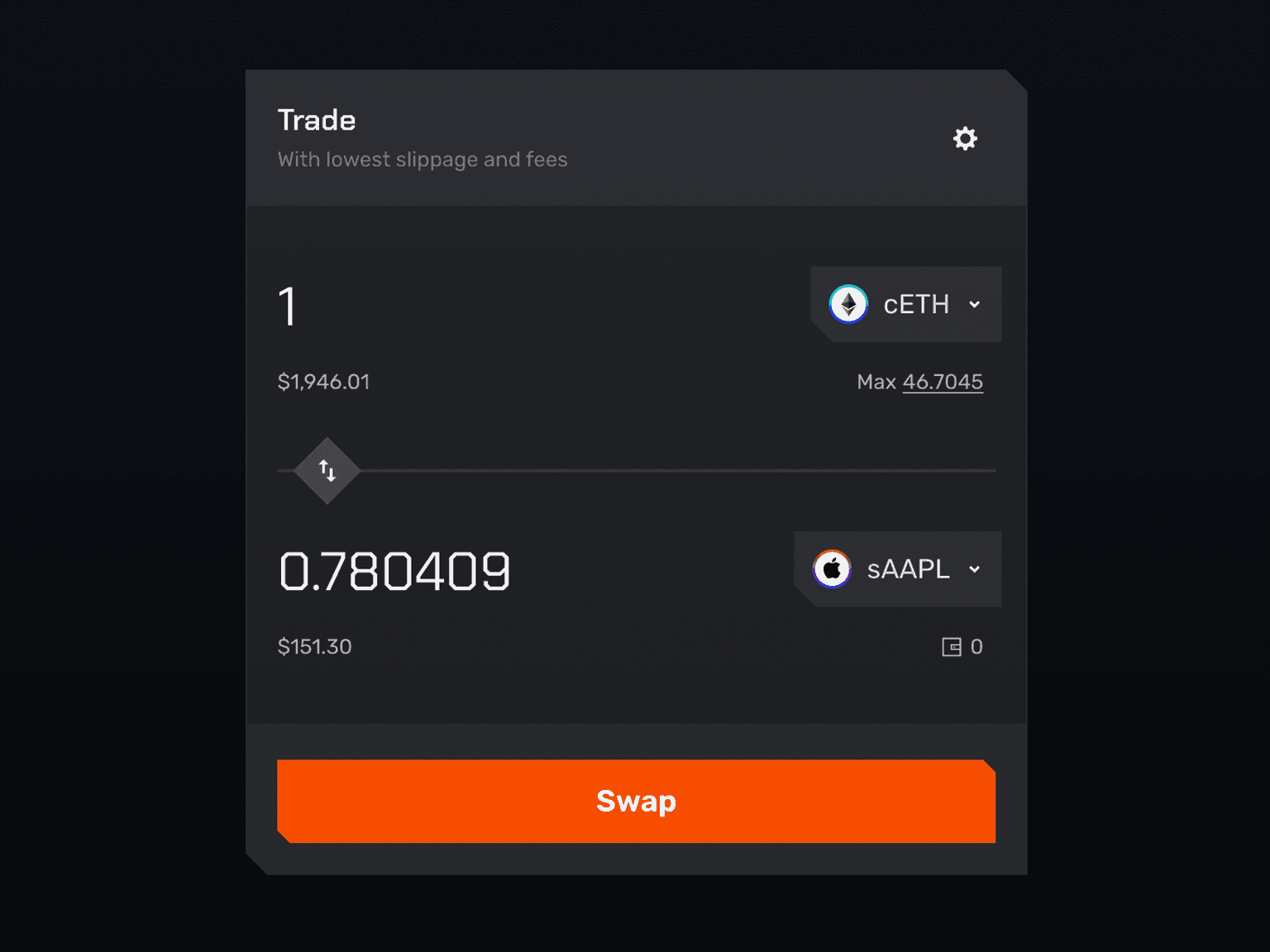
- Atomic Swaps: One synth burns, another mints, both at exact oracle prices. The swap is a single atomic operation. No routing, no pool depth to worry about.
- Oracle-Based Pricing: Every trade executes at the current oracle price. We pull from multiple decentralized feeds and aggregate them so the price is accurate and hard to manipulate.
- No Dedicated Liquidity Pools: The whole collateral pool backs every trade. No need to bootstrap liquidity for each pair separately. This means you can trade any synth against any other synth from day one.
- Clean Trading UI: We built a trading interface that hides all the complexity underneath. Select your pair, enter your size, execute. That's it.
- Dynamic Swap Fees: Fees adjust based on market conditions to keep things stable during high volatility, but execution is still at oracle price with zero slippage.
Leverage and Advanced Trading
- Leverage Trading: Up to 125x leverage on any supported asset. We built a liquidation engine that keeps the system solvent even during fast moves.
- Perpetual Contracts: Funding rates balance longs and shorts over time. No expiration dates, continuous exposure. Standard perps mechanics but running entirely on-chain.
- Binary Options: On-chain call and put binary options. Useful for hedging or making directional bets with defined risk.
- Structured Products: We built frameworks for indices and leveraged tokens so users can get exposure to baskets or amplified moves without managing individual positions.
Oracle Integration
- Multi-Oracle Aggregation: We pull from multiple networks and run statistical checks to catch outliers and manipulation attempts before bad data hits the protocol.
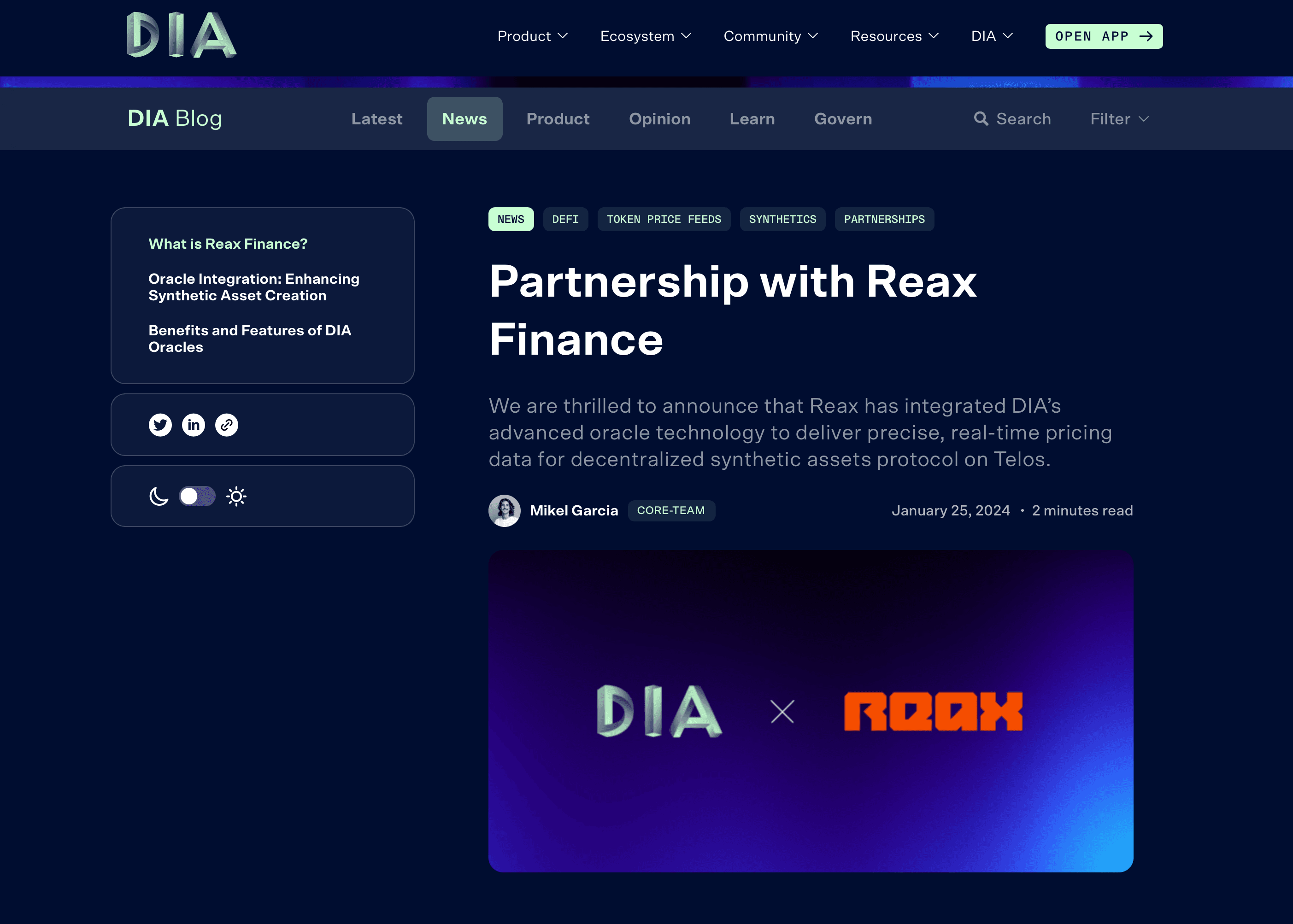
- DIA Partnership: DIA gave us coverage for a much wider range of assets than we could get from any single oracle provider. Their custom feed infrastructure was key to supporting 500+ synths.
- Fallback and Heartbeat Checks: If an oracle goes stale or drops out, the system falls back gracefully. Heartbeat monitoring flags issues before they can affect trades.
- Per-Asset Update Frequencies: Volatile assets get more frequent updates. Stable pairs update less often. This keeps gas costs reasonable without sacrificing accuracy where it matters.
Risk Management
- Dynamic Collateralization Ratios: C-Ratios are set per market and per asset based on historical volatility and liquidity. Riskier assets require more collateral.
- Liquidation Engine: When a position drops below the required ratio, external liquidators can close it and collect a reward. This keeps the whole system healthy without relying on the protocol team.
- Global Debt Ceilings: Each asset and market pool has a max debt cap. This prevents concentration risk and keeps growth controlled.
- Circuit Breakers: If we detect extreme volatility or oracle irregularities, specific protocol functions pause automatically. Better to halt briefly than let bad data cause cascading liquidations.
- Health Factor Monitoring: Users can see their position health in real time with clear warnings as they approach liquidation thresholds.
Frontend and UX
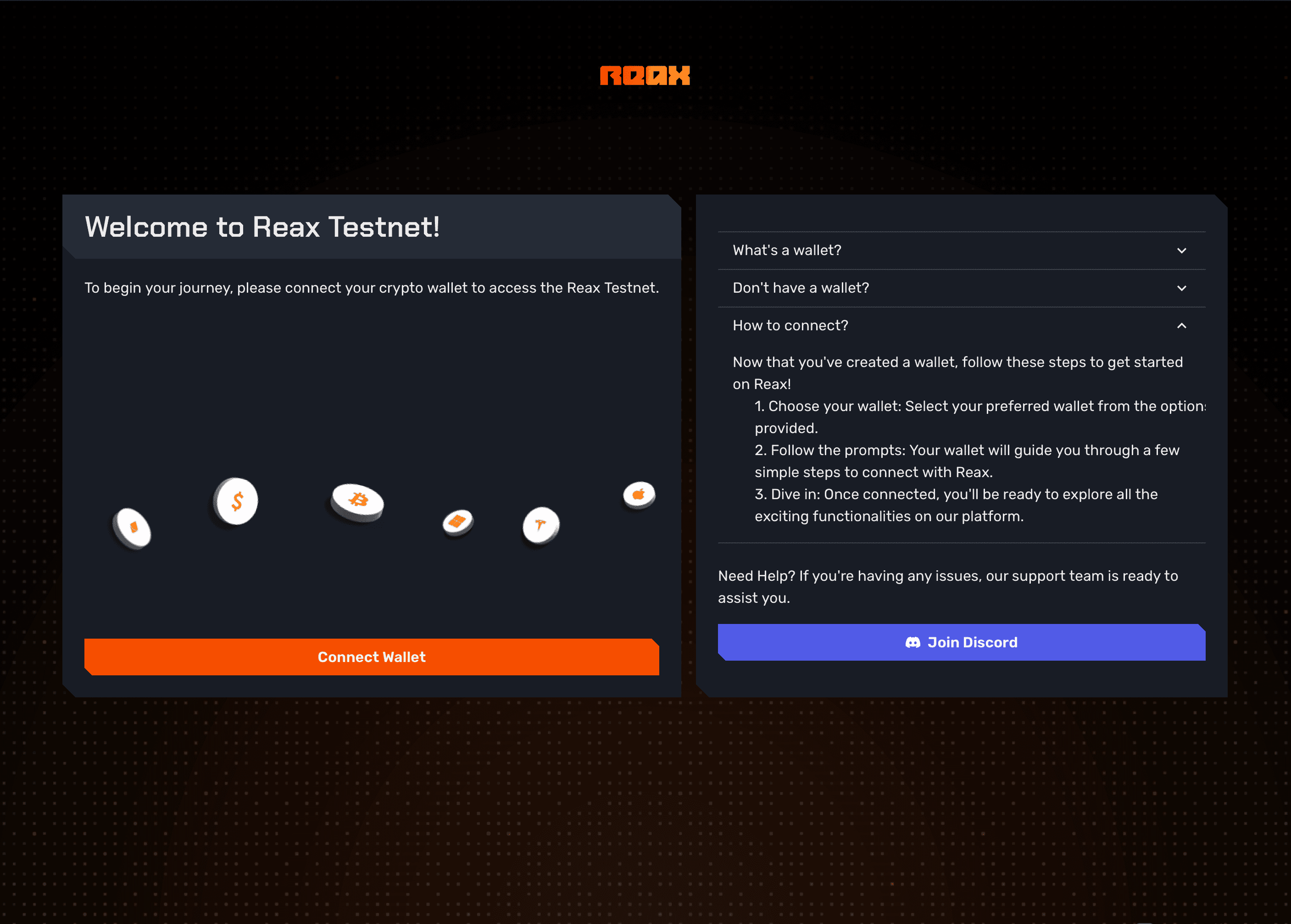
- Guided Onboarding: Three steps from wallet connection to first trade. We walk users through the key concepts without dumping a whitepaper on them.
- Position Dashboard: One screen shows all your positions, health metrics, PnL, and market conditions. No digging through subpages.
- Mobile-First Responsive: The whole app works on mobile. You can monitor and manage positions from your phone without anything breaking.
- Contextual Help: Tooltips and mini-guides are baked into the interface so users learn as they go instead of needing external documentation.
Governance and Tokenomics
- On-Chain Governance: Token holders can submit proposals and vote on protocol upgrades, parameter changes, and treasury spend. Standard DAO mechanics with delegation support.
- Revenue Sharing: Protocol fees flow back to stakers. If REAX makes money, token holders make money. Simple alignment.
- Token Distribution: We balanced team and investor allocations with community mining rewards so the token distribution gets broader over time, not more concentrated.
- Staking and Lockups: Staking and lockup mechanisms reward people who commit to the protocol long-term and help dampen token price volatility.
How We Built It
Building a synthetic asset protocol means every bug is a potential exploit. We treated security as a first-class concern from day one.
Two-Week Sprints
Agile with short cycles. Ship incremental improvements, test them, move on. Kept the architecture clean as we went.
Heavy Test Coverage
Unit tests, integration tests, and stress tests covering every contract function. We simulated market crashes, oracle failures, and edge cases most people wouldn't think of.
Formal Verification
For the critical paths like liquidation logic, we used formal verification to mathematically prove correctness. Not just "it works in tests" but "it provably works."
Defense in Depth
Multiple security layers: parameter bounds, access controls, emergency shutdown, and timelocks. No single failure can bring down the system.
Independent Audits
Multiple security firms audited the codebase. We fixed every finding and had them verify the remediations.
Public Testnet
Ran an extended public testnet with bug bounties. Community feedback caught things our internal testing missed.
Incremental Rollout
Launched with conservative parameters and core features only. Added more assets and features gradually as the system proved stable in production.
Monitoring and Alerts
Set up real-time monitoring and alerting so we know immediately if something behaves unexpectedly on-chain.
Where REAX Stands
REAX gives you permissionless access to 500+ assets that were never available in DeFi before, with better execution than most centralized exchanges. No slippage on any trade size, no impermanent loss for the protocol, and everything runs trustlessly on Mantle. The roadmap has more asset classes, cross-chain deployment, and deeper integration with the broader DeFi ecosystem. We're bringing traditional financial markets on-chain without the trade-offs that every other approach requires.
Visual showcase